Spaghetti Alla Gricia
THE 4 ROMAN PASTAS
Gricia
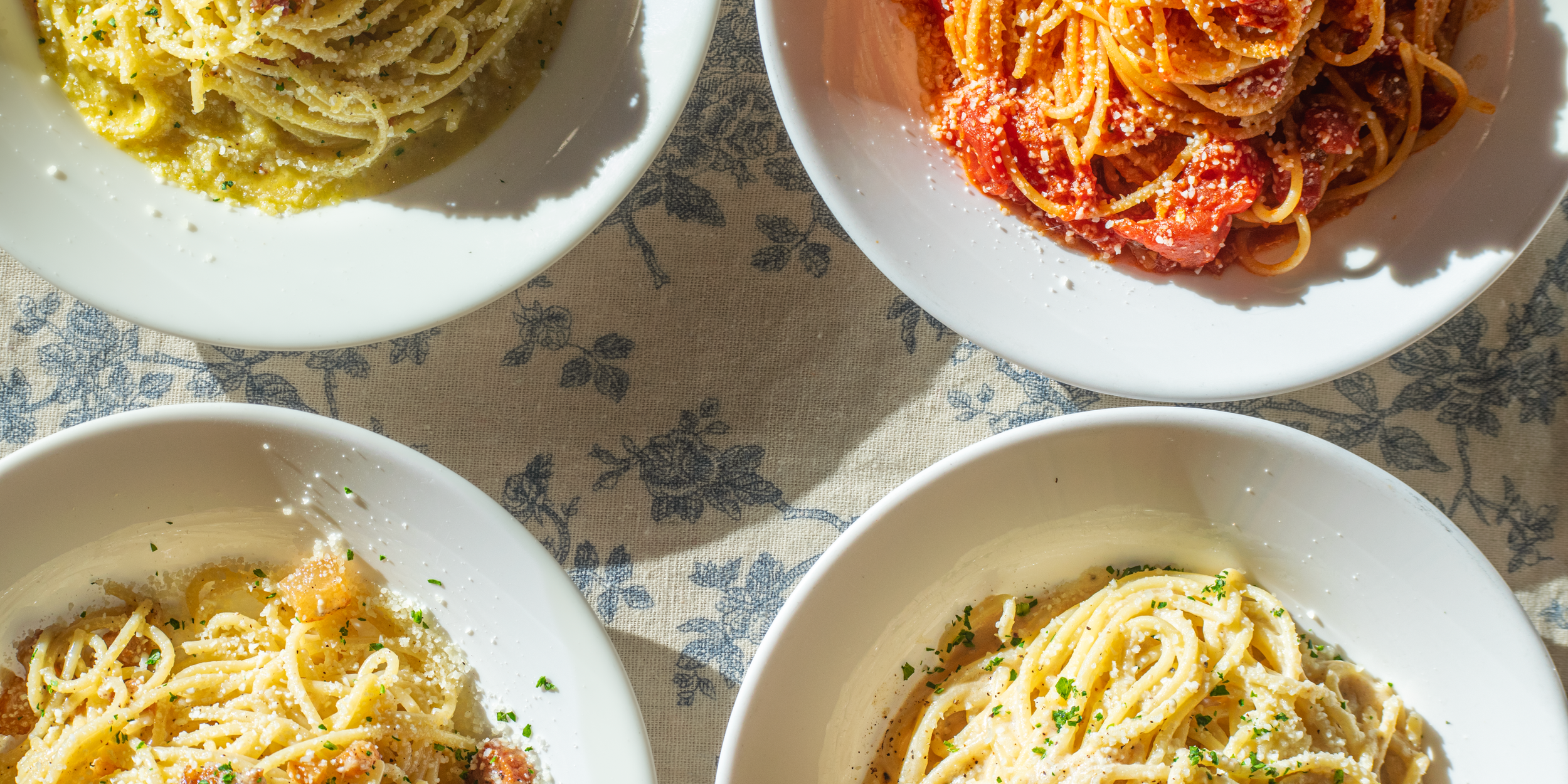
Considered the “ancestor” of carbonara and last week’s Amatriciana, Gricia dates back before the introduction of tomatoes in Italy in the 1500s. Like Cacio e Pepe (the original Roman pasta), Gricia was born as a Shepherd’s Dish - utilizing simple and portable ingredients.
It’s name has been credited to the town of Grisciano, home to a large number of Rome’s shepherds. Others connect Gricia to the “Grici”, a group of German and Swiss bakers who were known for enjoying simple meals.
Grassy, cheesy and salty. No short of good twirls in this dish.
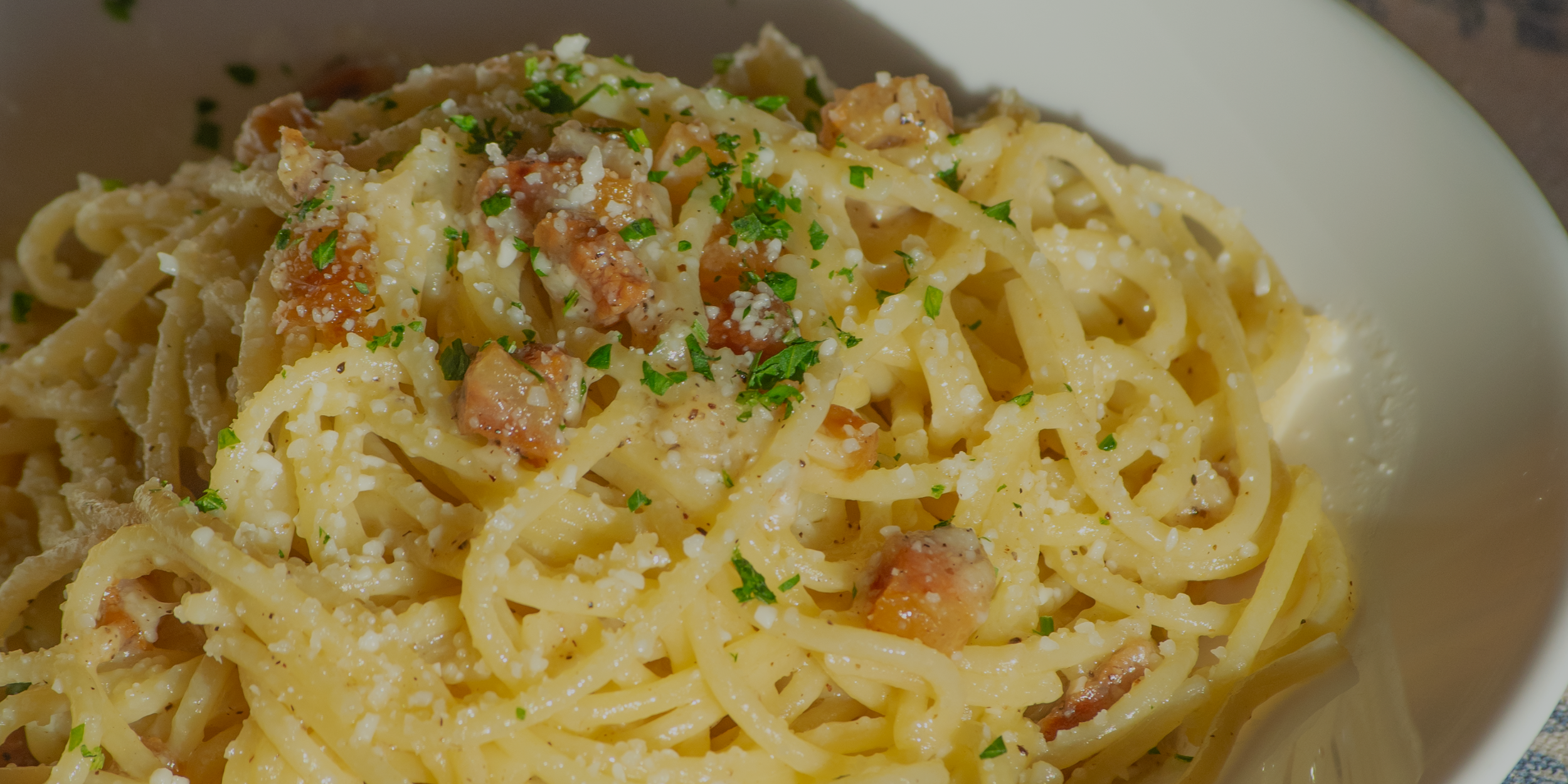
Broders’ Alla Gricia Recipe
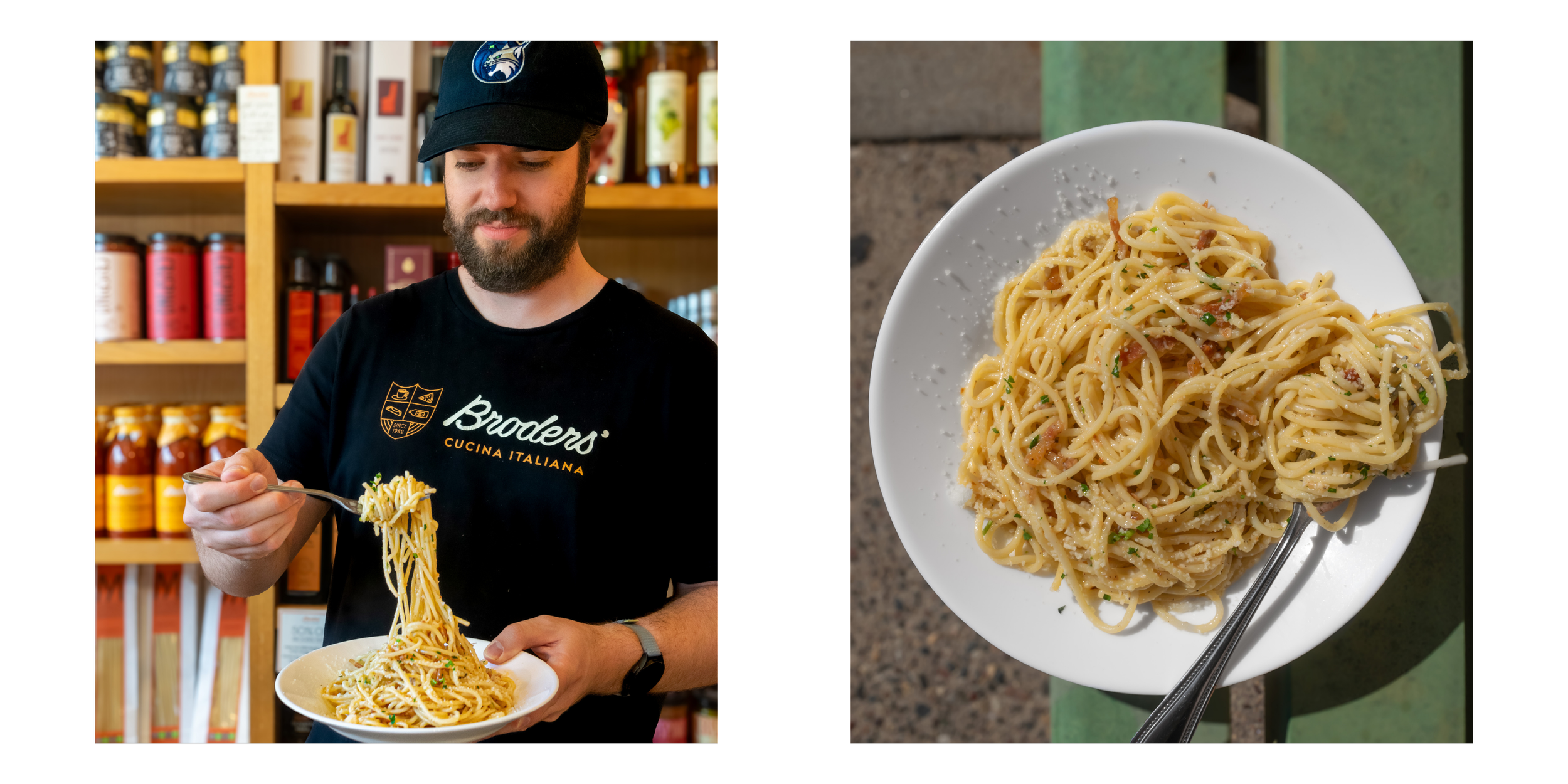
INGREDIENTS - shop pantry staples, cured meats, and imported cheeses at Broders’ Cucina Italiana!
6 oz. guanciale or pancetta, diced
1 cup Pecorino Romano, grated
1 ½ tsp. black pepper, cracked
1 lb. spaghetti, bucatini, or spaghettini
1 tbsp. kosher salt, for the pasta water
DIRECTIONS
Put the guanciale or pancetta in a cold dry pan over medium heat. Cook until rendered and crispy (6-8) minutes.
Remove the crispy pieces and set them aside. Leave the fat in the pan.
Add the cracked pepper to the warm pan and let it bloom for 30 seconds.
Boil 4 quarts of water, salt it, and cook the pasta. Reserve a cup of pasta water before draining.
Add a ladle of pasta water to the pan and swirl over low heat until it becomes a cloudy sauce.
Add the drained pasta and toss. Off the heat, add the Pecorino Romano, tossing constantly, adding splashes of pasta water until the noodles are coated and the sauce is glossy.
Fold the guanciale back in and serve with more Pecorino Romano and black pepper.
DIDIREION
The Four Icons of the Roman Table
The expansion of the Roman Empire brought a boom in trade and cultural diversity to Italy – paving the way for the creation of four iconic dishes that are indisputably part of the Roman Table.
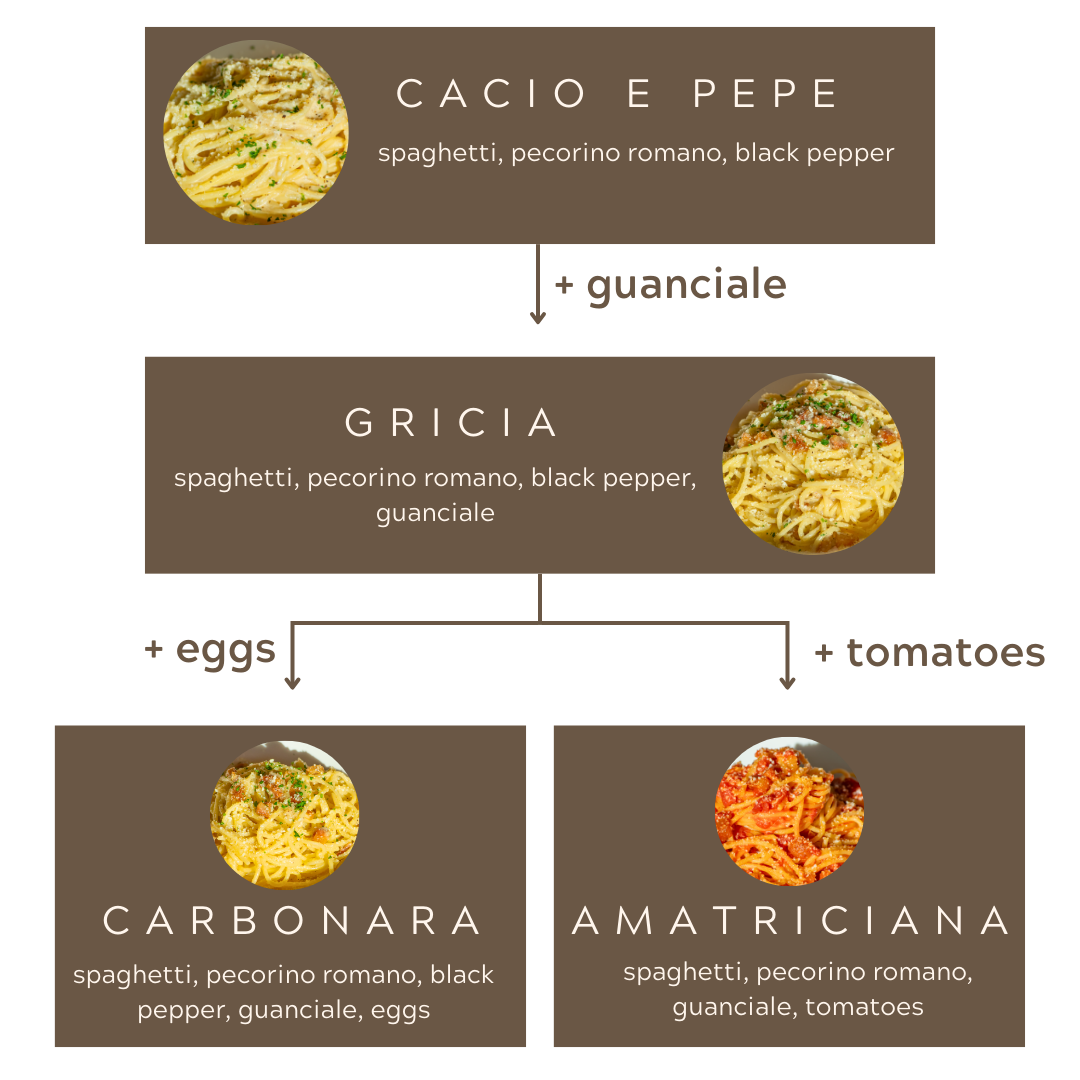
But as the saying goes, Rome wasn’t twirled in a day. These dishes were developed over the course of centuries, even millennia, as Romans were exposed to new imported ingredients, adjusted to changing lifestyles and integrated techniques brought from foreign cultures.
There are four iconic Roman Pastas all connected – playing off each other while holding their own place in the canon of Roman cuisine. Try your hand at cooking up some old world magic.
Explore the Broders’ Recipes