
All About Piccante Gorgonzola
Why should you eat more Gorgonzola? Beyond the fact that it’s devilishly good in autumn risottos or with pretty much any jam or dried fruit – it's also happens to be one of the oldest blue cheeses in the world (second only perhaps to France’s Roquefort). It's history alone deems it worthy of the highest praise.
A Cheese Born in the Alps
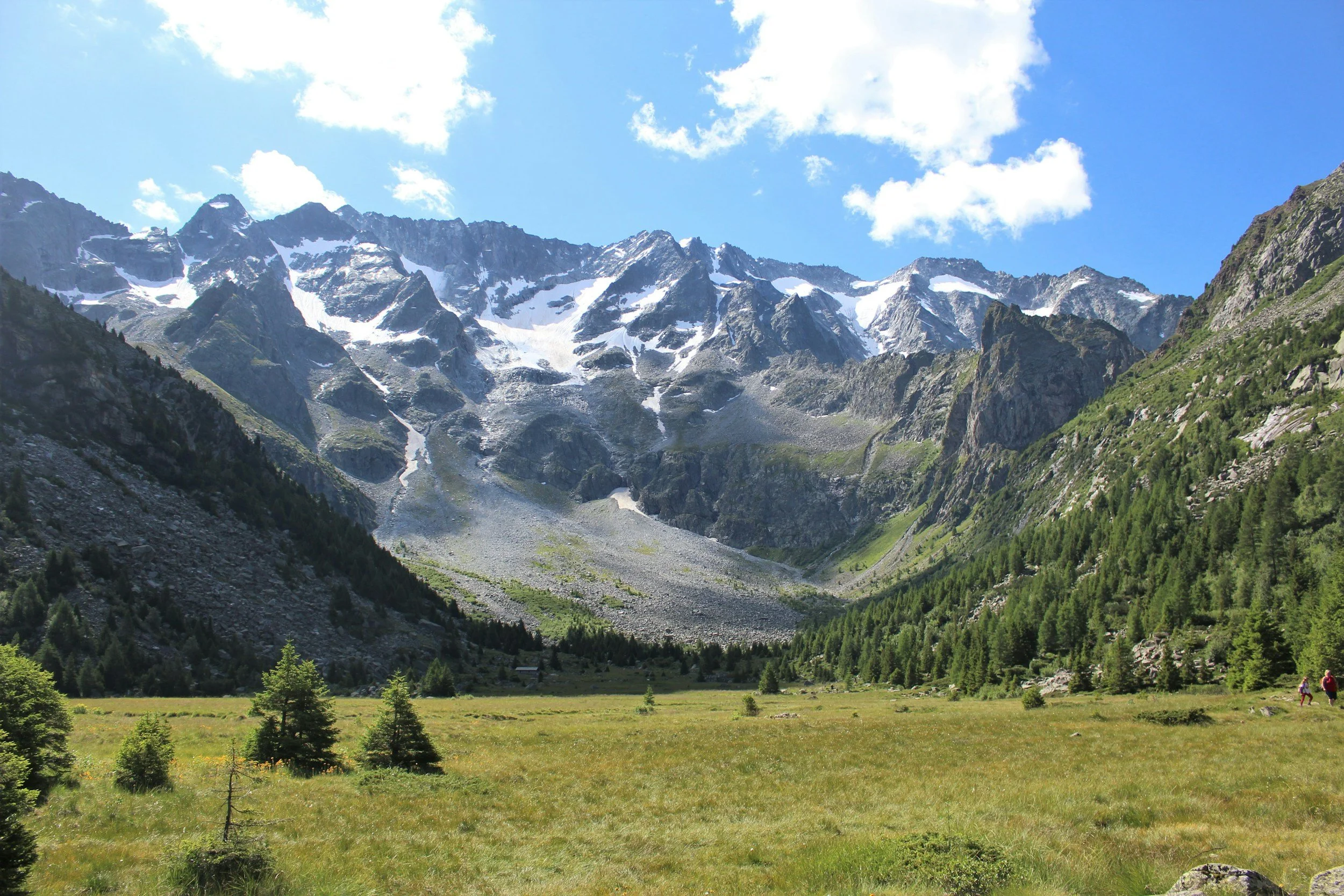
Gorgonzola has deep roots in northern Italy, produced across Lombardy and Piemonte - regions nestled at Italy’s Alpine border with Switzerland. Some believe it was first made in the town of Gorgonzola, just north of present day Milan. Other accounts trace its origins further north to Valsassina, a mountainous area known in the Middle Ages for its rich dairy production.
The Alpine vegetation is truly heaven for herds of cattle + natural caves are ideal for aging and storing cheese.
Each autumn, herds descended from the Alps into the valley after a summer of grazing on lush Alpine vegetation. Though these cows were exhausted from the season’s travels, the milk they produced was rich, flavorful and…perfect for cheese.
Exercised cows produce milk with a higher milk fat content which leads to richer cheeses.
These alpine cheeses came to be known as Stracchino - stracco or stanco, meaning tired. Traditionally, Stracchino is a soft, fresh, white cheese. Only after it is aged and becomes “blue” does it become Stracchino Verde (Green Stracchino) AKA Gorgonzola.

Legend has it
A young Romeo is distracted by his lover and accidentally leaves his cheese curds (likely stracchino) to drain overnight (cheese curds here refer to the un-aged clumps of milk protein that form early in the cheese making process - not your deep fried state fair sweet-heart). He returns in the morning and to hide his mistake, adds his spoiled curds to a fresh batch – noticing a few weeks later that the cheese had started to blue. And thus – Gorgonzola came into being.
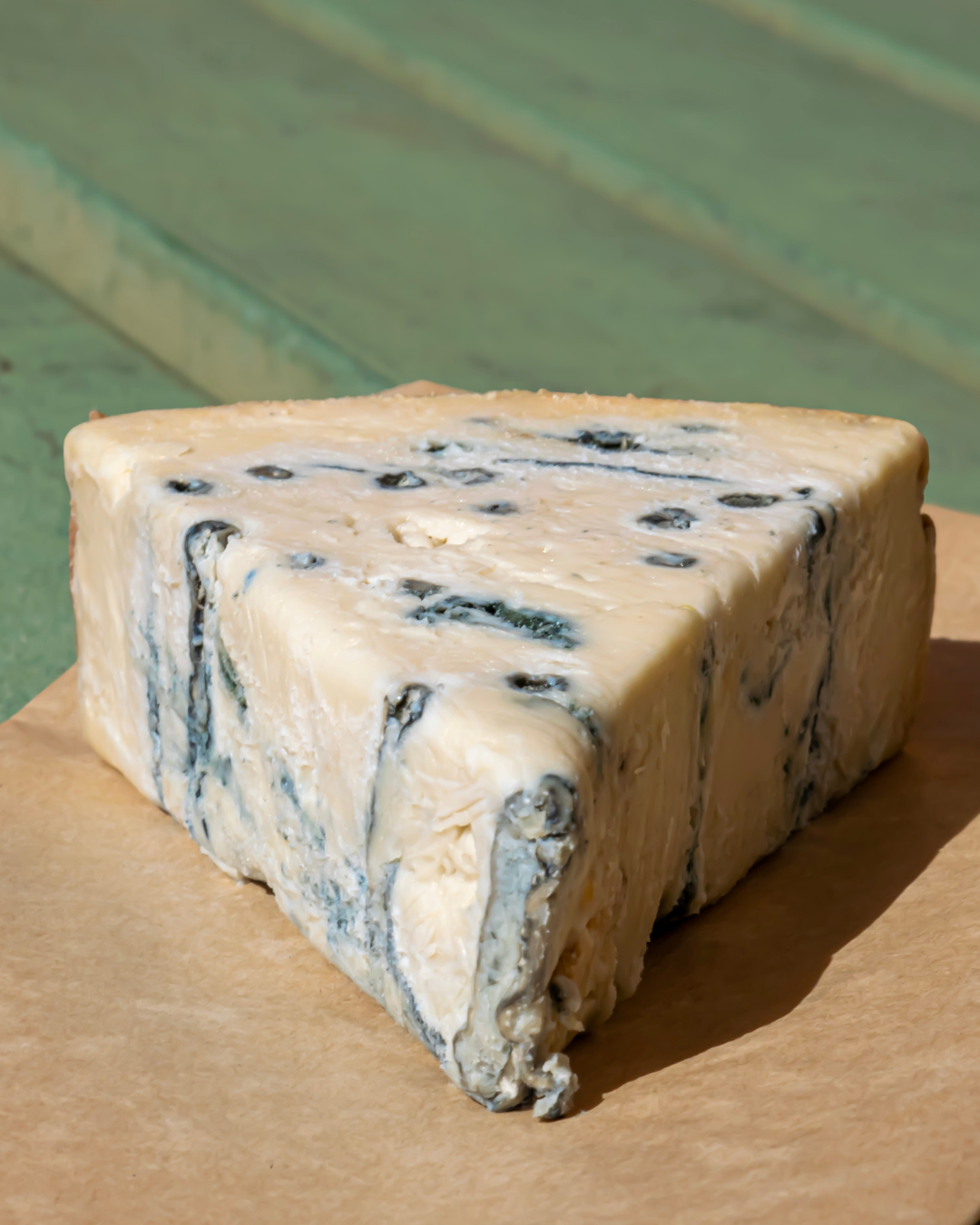
However it began, the cheese became known for its marbled veining - called erborinato in Italian, meaning “parsley-ed.” These streaks, once the result of cave mold, are now encouraged by piercing the wheels with needles during aging. Not only to the veins add beauty but also intensify flavor and preservation, giving Gorgonzola Piccante its sharp unmistakable character.
Dolce vs. Piccante
Today, Gorgonzola comes in two main styles:
Gorgonzola Dolce is soft creamy and mildly tangy (usually aged for at least 50 days)
Gorgonzola Piccante is firmer, more crumbly and packs a sharper bite (usually aged for at least 80 days)
How to Enjoy It
A versatile element for you blue cheese lovers.
Melted into risotto or polenta
Crumbled over roasted root vegetables or autumn salads
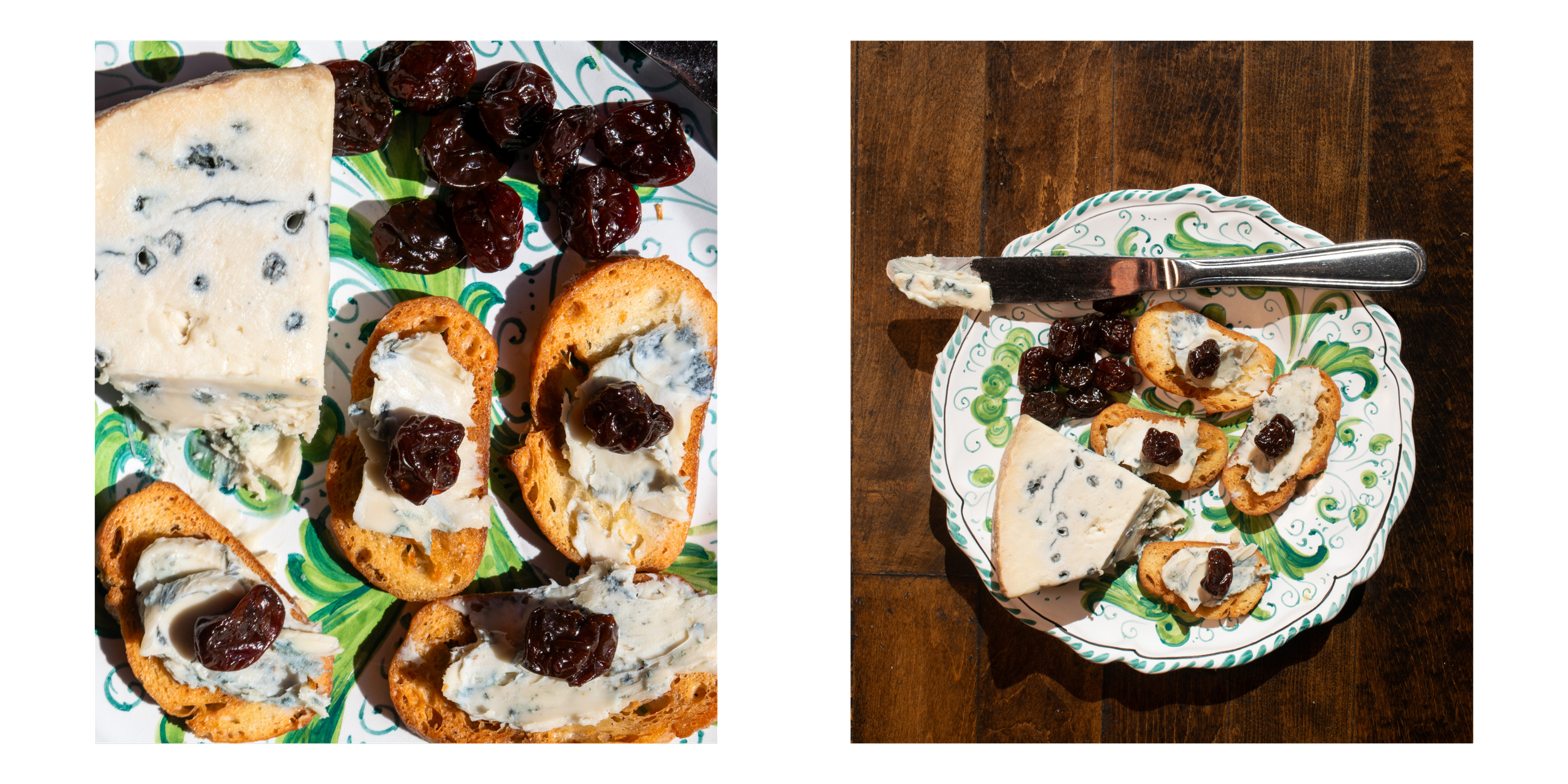
Paired with honey, figs or walnuts on a cheese board
Whisked into creamy sauces for pasta
Served with dried fruit and paired with robust red wines like Barolo or Amarone.