Spaghetti Cacio E Pepe
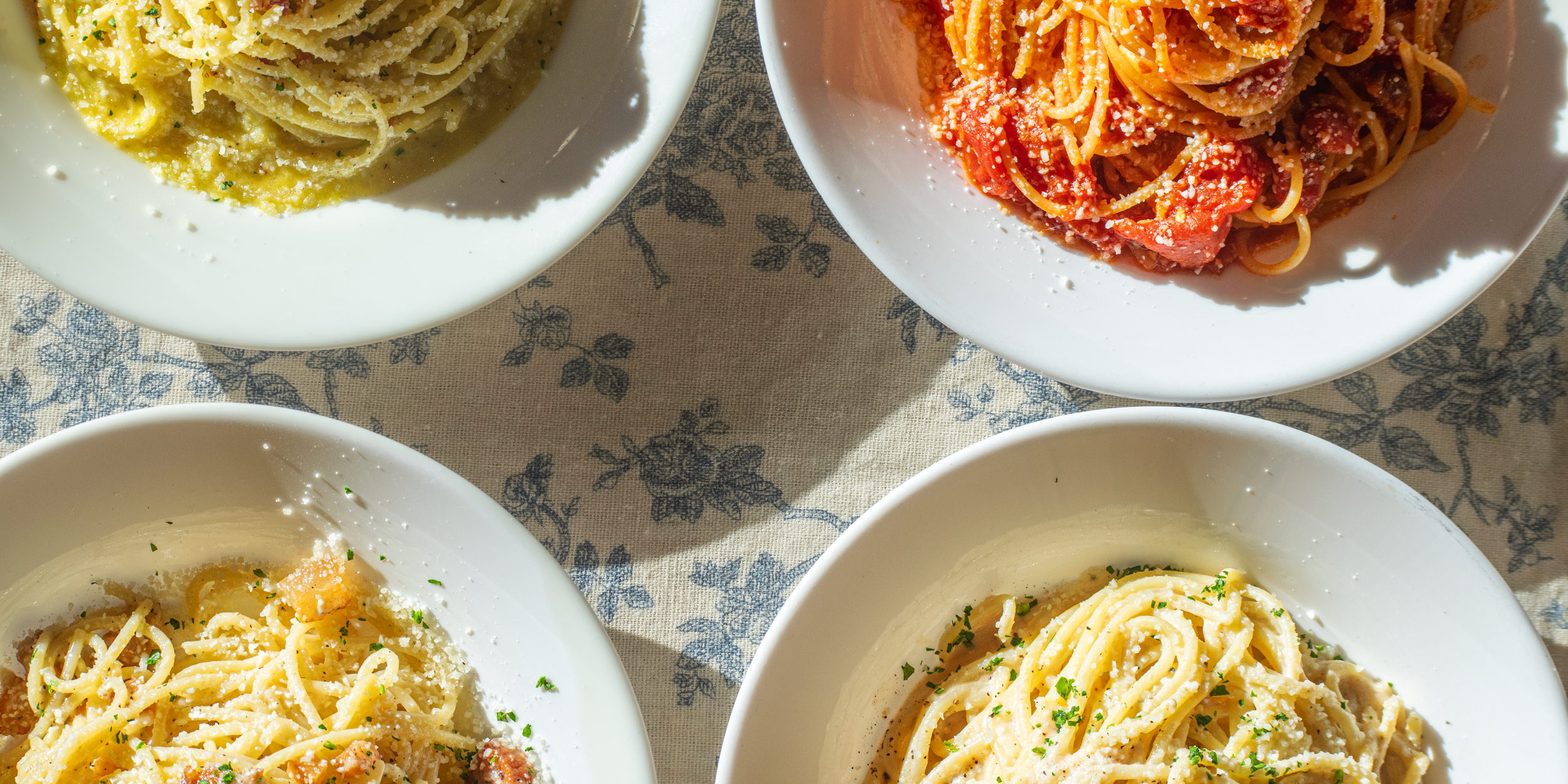
THE 4 ROMAN PASTAS
Cacio e Pepe
Considered the original Roman Pasta and the ancestor of Alla Gricia, Amatriciana and Carbonara, Cacio e Pepe has graced Italian tables since Ancient Rome.
Originating as a shepherd’s dish, pastoral laborers enjoyed this dish as it contained simple and portable ingredients: Pecorino Romano (sheep’s milk cheese), dried pasta and black pepper.
Today, we know and love Cacio e Pepe for its creamy richness, achieved through the emulsification or “montecare” - the process of creating a smooth and creamy sauce by blending a fat (cheese, butter, or oil) with liquid (in this case, starchy pasta water). This technique is fundamental in creating the perfect Cacio e Pepe and many other pasta dishes in the Italian cookbook.
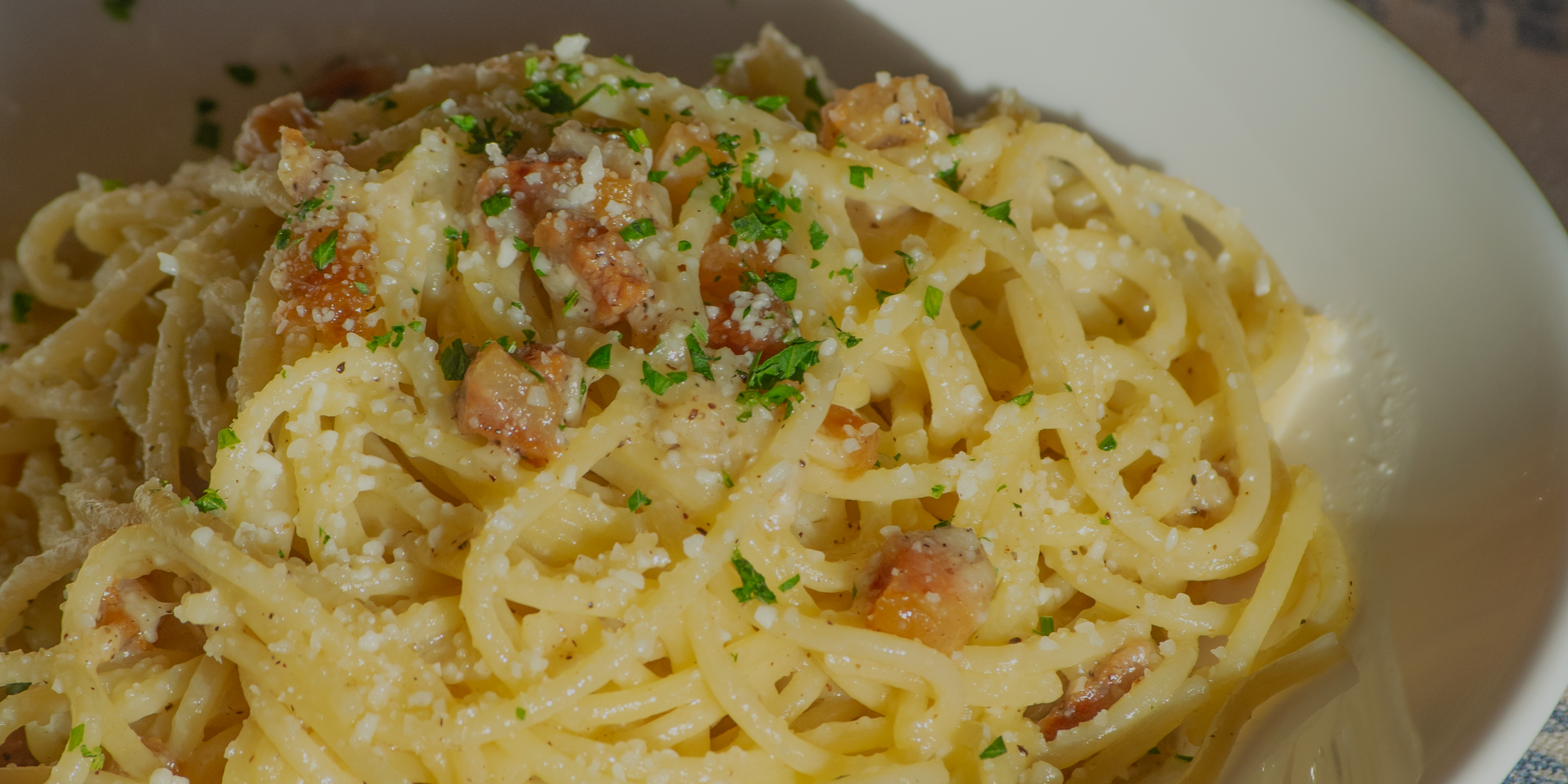
Broders’ Cacio E Pepe
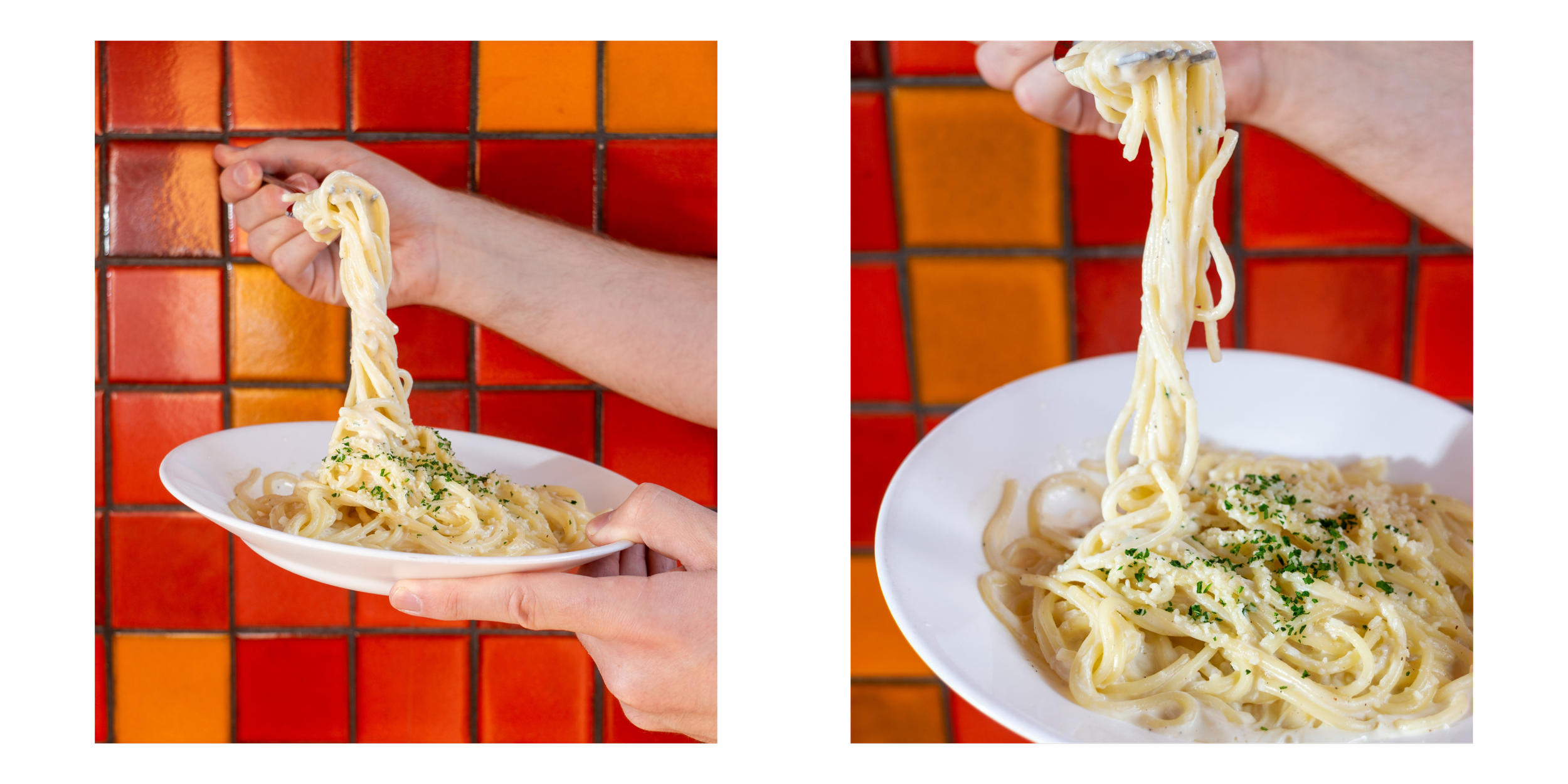
INGREDIENTS - shop pantry staples, cured meats, and imported cheeses at Broders’ Cucina Italiana!
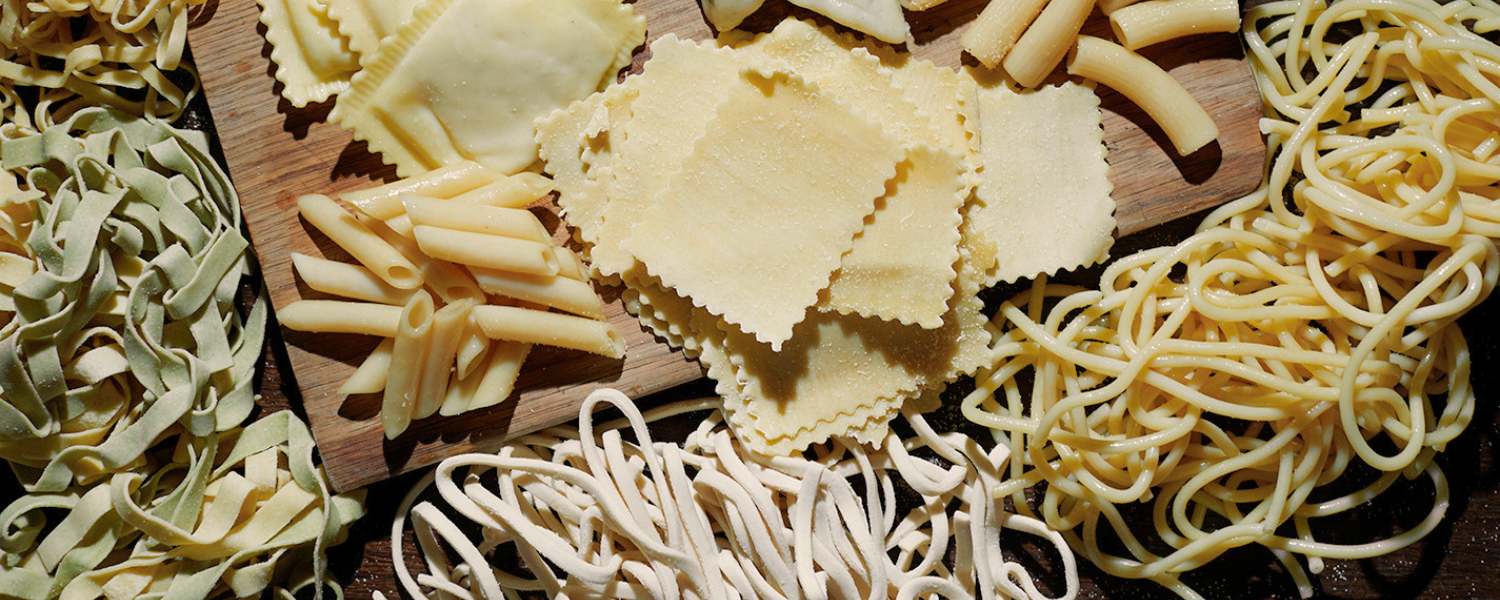
1 lb. spaghetti, bucatini, or spaghettini
1 ½ cups Pecorino Romano, grated
2 tsp. black pepper, cracked
1 tbsp kosher salt, for the pasta water
DIRECTIONS
Toast black pepper in a dry pan over medium heat until fragrant, about a minute.
Boil 4 quarts of water, salt it, and cook the pasta. Reserve a cup of pasta water before draining.
In a bowl, mix the Pecorino Romano together with a few spoonfuls of hot pasta water into a smooth, loose paste. Hot, not boiling.
Add a ladle of pasta water to the toasted pepper and bring to a simmer.
Add the drained pasta and toss over low heat for a minute until it absorbs the pepper water.
Off the heat, add the cheese paste and toss vigorously, adding splashes of pasta water until the noodles are coated and the sauce is creamy.
Serve immediately with more Pecorino Romano and black pepper.
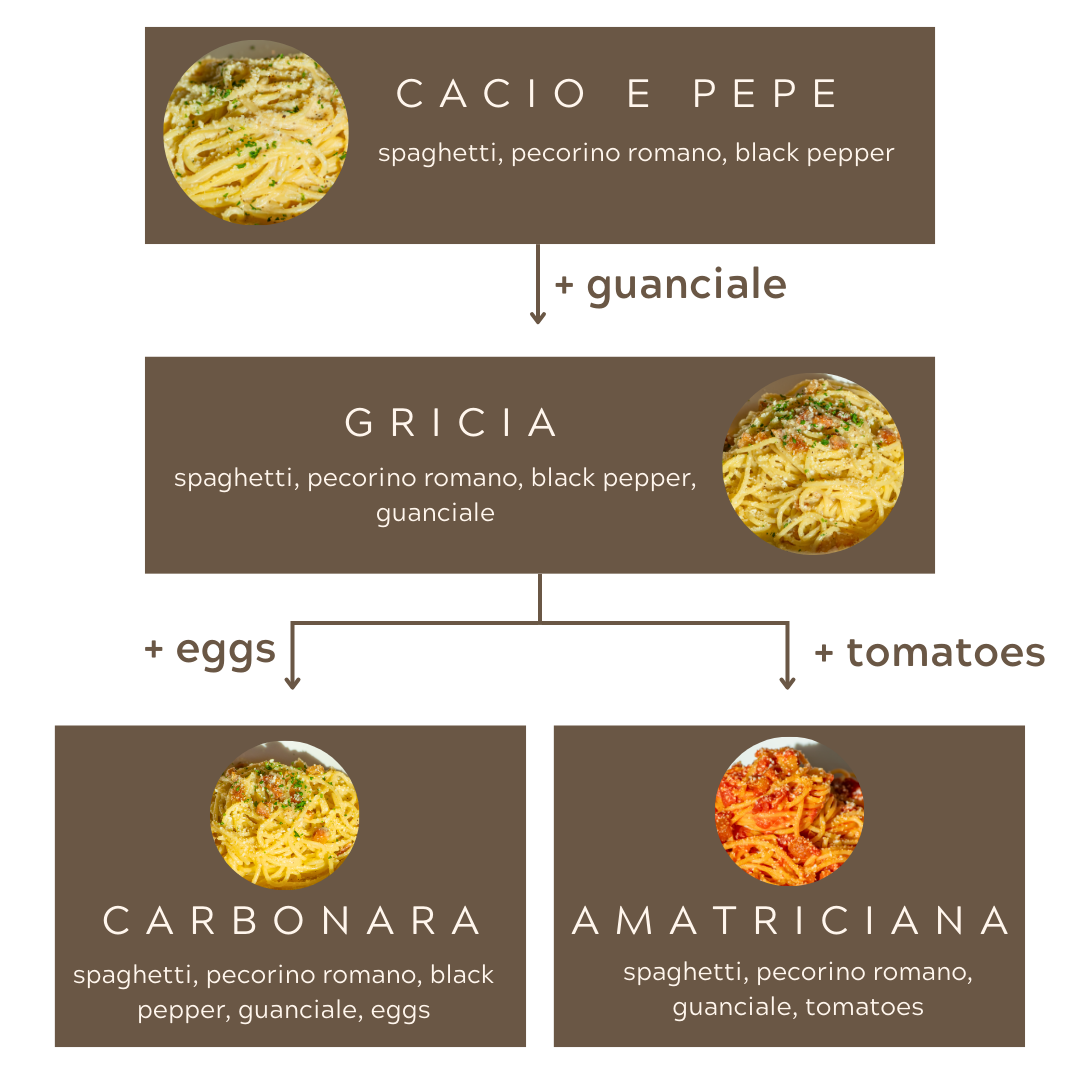
The Four Icons of the Roman Table
The expansion of the Roman Empire brought a boom in trade and cultural diversity to Italy – paving the way for the creation of four iconic dishes that are indisputably part of the Roman Table.
But as the saying goes, Rome wasn’t twirled in a day. These dishes were developed over the course of centuries, even millennia, as Romans were exposed to new imported ingredients, adjusted to changing lifestyles and integrated techniques brought from foreign cultures.
There are four iconic Roman Pastas all connected – playing off each other while holding their own place in the canon of Roman cuisine. Try your hand at cooking up some old world magic.
Explore Broders’ Recipes