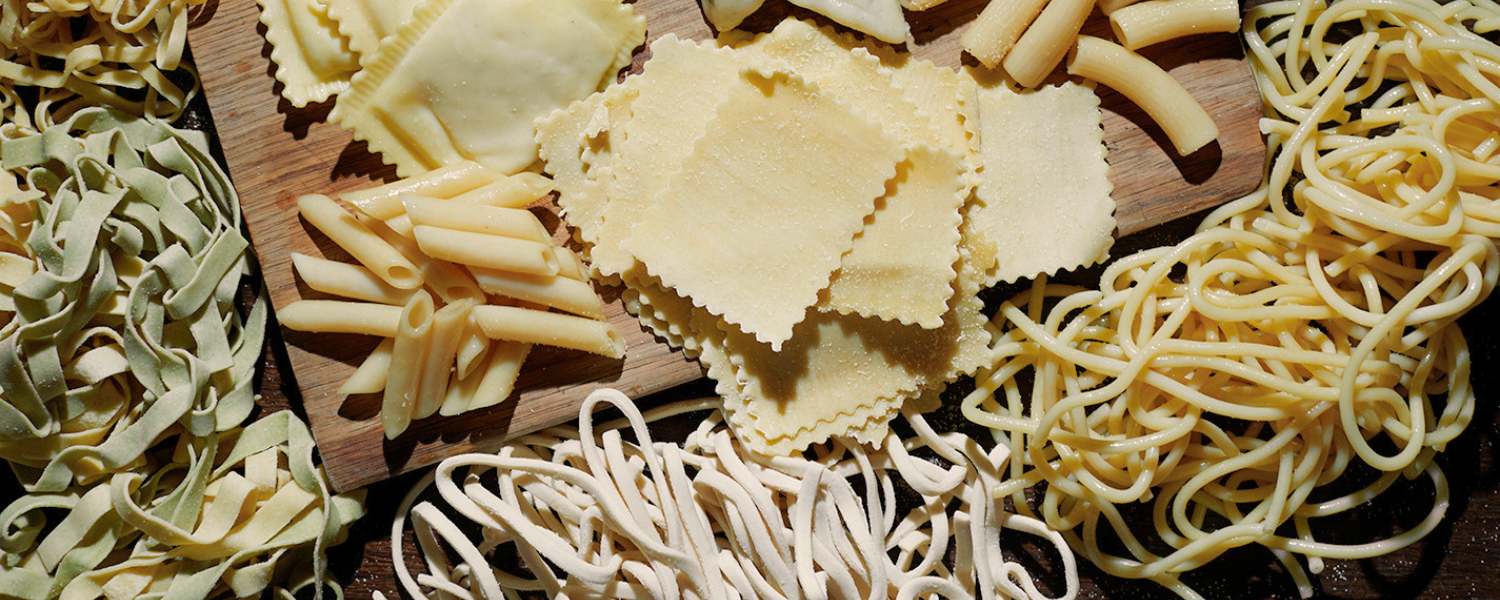
Spaghetti Amatriciana
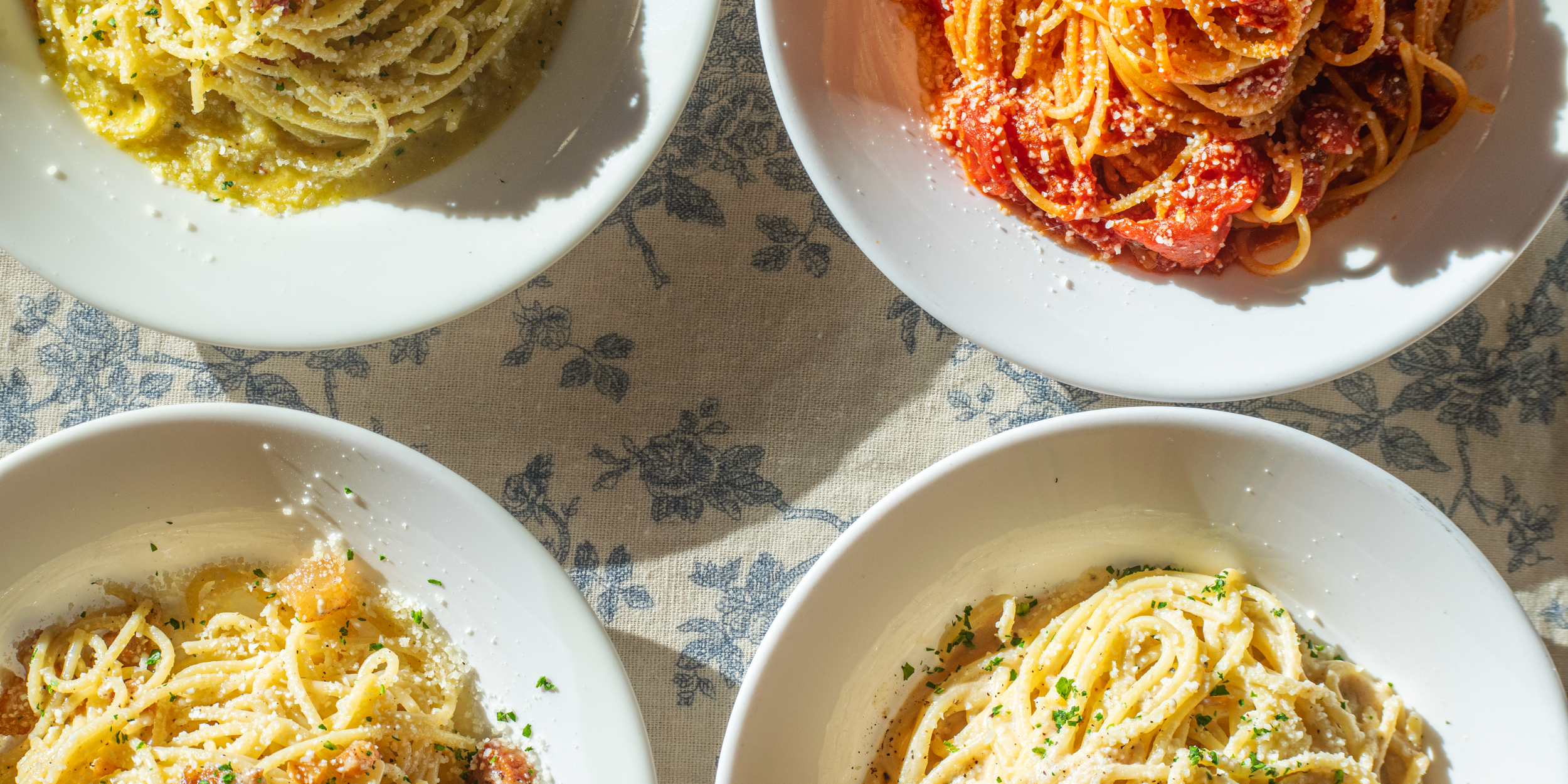
THE 4 ROMAN PASTAS
Amatriciana
Born in Amatrice, a small town just outside Rome, Amatriciana (ah-mah-tree-CHAH-nah) combines pasta, guanciale, tomatoes, pecorino romano and spices into one of Italy’s most beloved dishes. Tomatoes first arrived in Italy in the late 1500s, quickly earning their place in Roman kitchens and transforming traditional pastas.
By the 19th century, Amatriciana was a staple of Rome’s working class neighborhoods like Trastevere and Testaccio - areas known for simple, hearty dishes that could feed entire families and communities. To this day, these same neighborhoods remain the best place to enjoy Amatriciana.
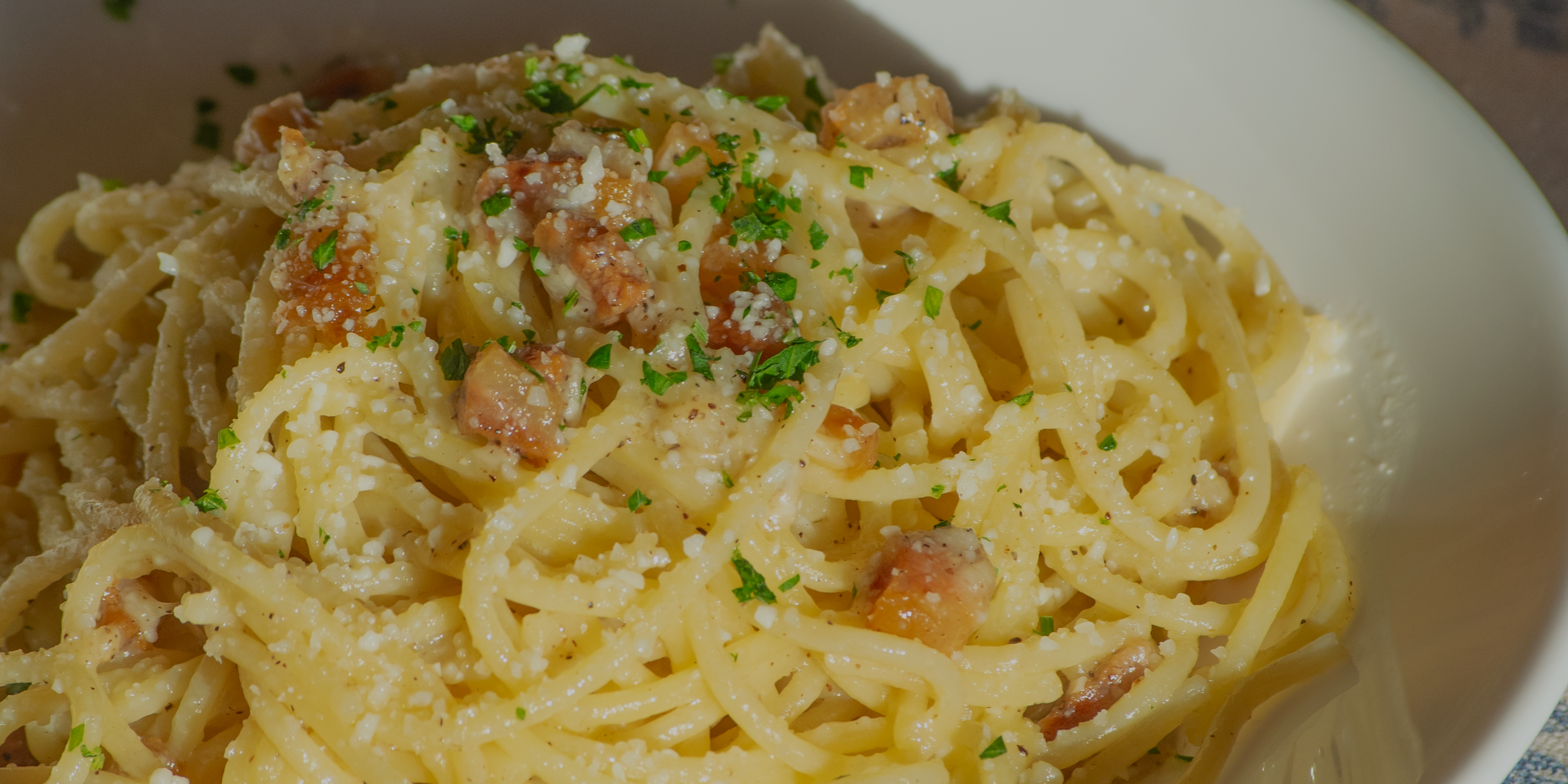
Broders’ Amatriciana Recipe
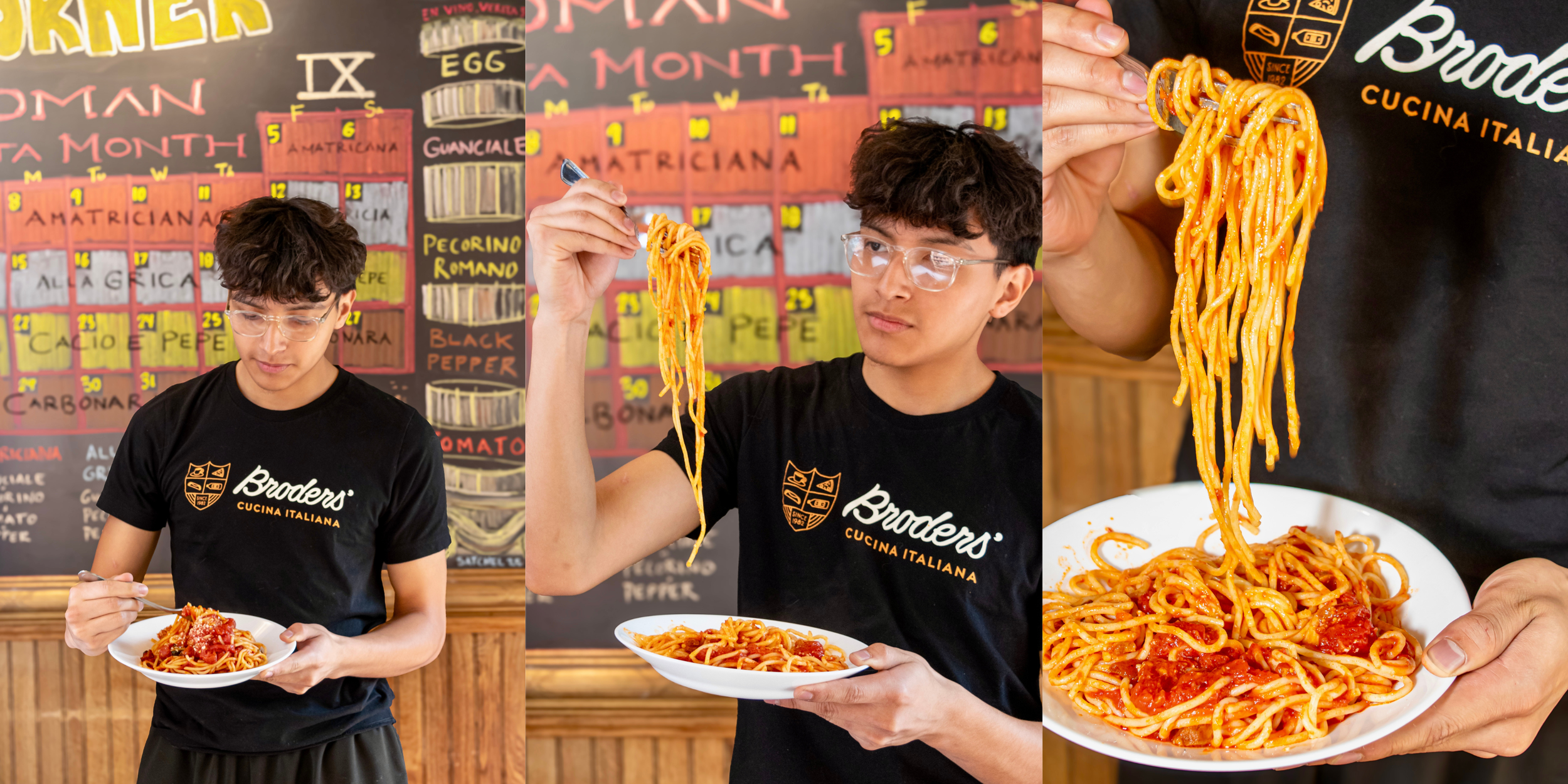
INGREDIENTS - shop pantry staples, cured meats, and imported cheeses at Broders’ Cucina Italiana!
6 oz. guanciale or pancetta, diced
¼ tsp. red pepper flakes
½ cup white wine
28 oz. San Marzano tomatoes, crushed
1 lb. spaghetti, bucatini, or spaghettini
¾ cup Pecorino Romano, grated
1 tbsp. kosher salt, for the pasta water
DIRECTIONS
Put the guanciale or pancetta in a cold dry pan over medium heat. Cook until rendered and crispy (6-8) minutes.
Add the red pepper flakes, then the white wine. Let it cook off, scraping up anything that sticks to the pan.
Add crushed tomatoes and simmer for 15 - 20 minutes, until the sauce thickens and turns deep red. Season with salt and pepper.
Boil 4 quarts of water, salt it, and cook the pasta. Reserve a cup of pasta water before draining.
Add the drained pasta to the sauce and toss over the heat for a minute, adding splashes of pasta water until the noodles are coated.
Off the heat, add the Pecorino Romano and toss. Serve and garnish with more cheese.
DIRCTION
The Four Icons of the Roman Table
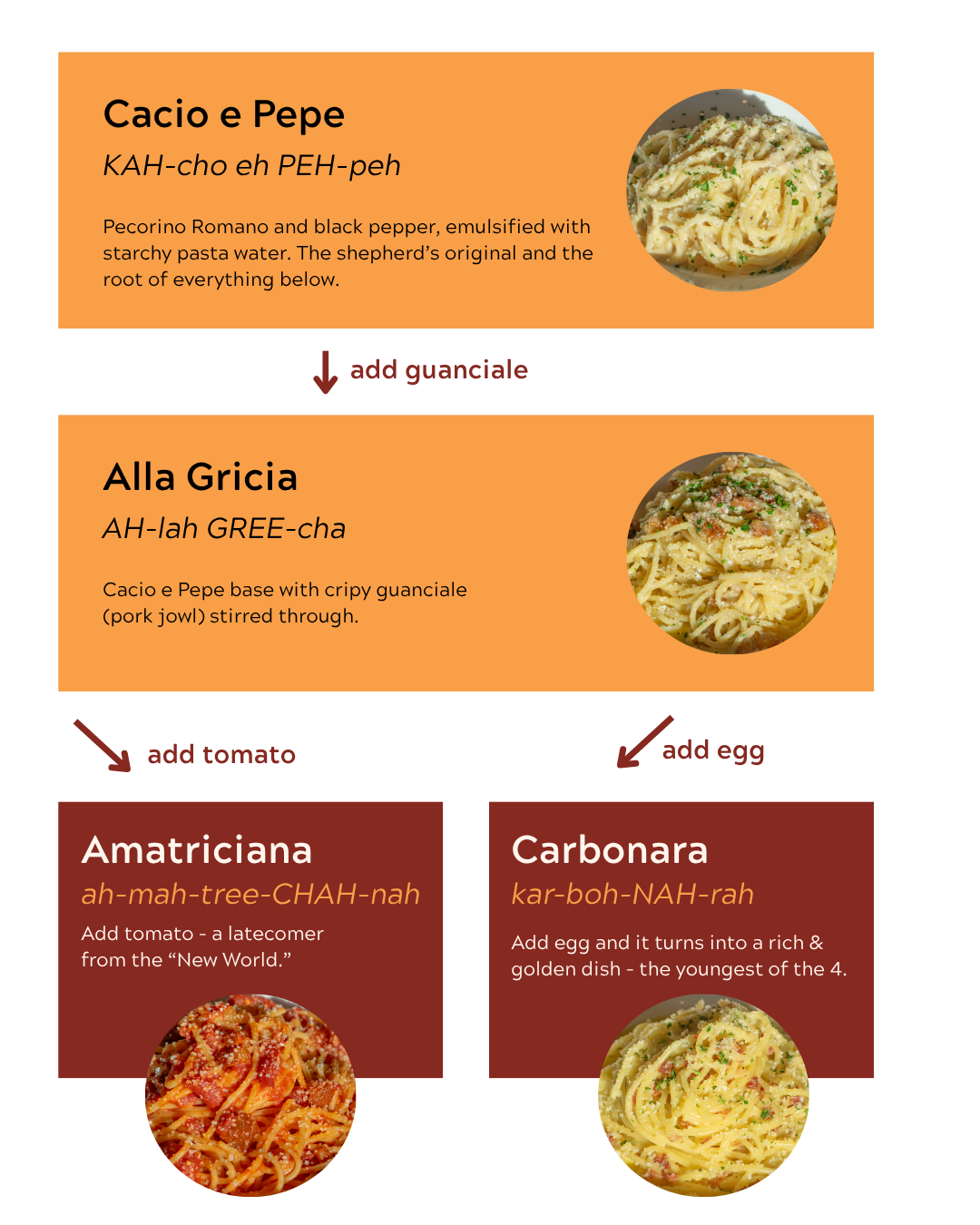
The expansion of the Roman Empire brought a boom in trade and cultural diversity to Italy – paving the way for the creation of four iconic dishes that are indisputably part of the Roman Table.
But as the saying goes, Rome wasn’t twirled in a day. These dishes were developed over the course of centuries, even millennia, as Romans were exposed to new imported ingredients, adjusted to changing lifestyles and integrated techniques brought from foreign cultures.
There are four iconic Roman Pastas all connected – playing off each other while holding their own place in the canon of Roman cuisine. Try your hand at cooking up some old world magic.
Shop the Recipe
Find all these ingredients plus imported Pecorino Romano and Guanciale in-store!
Explore Broders’ Recipes