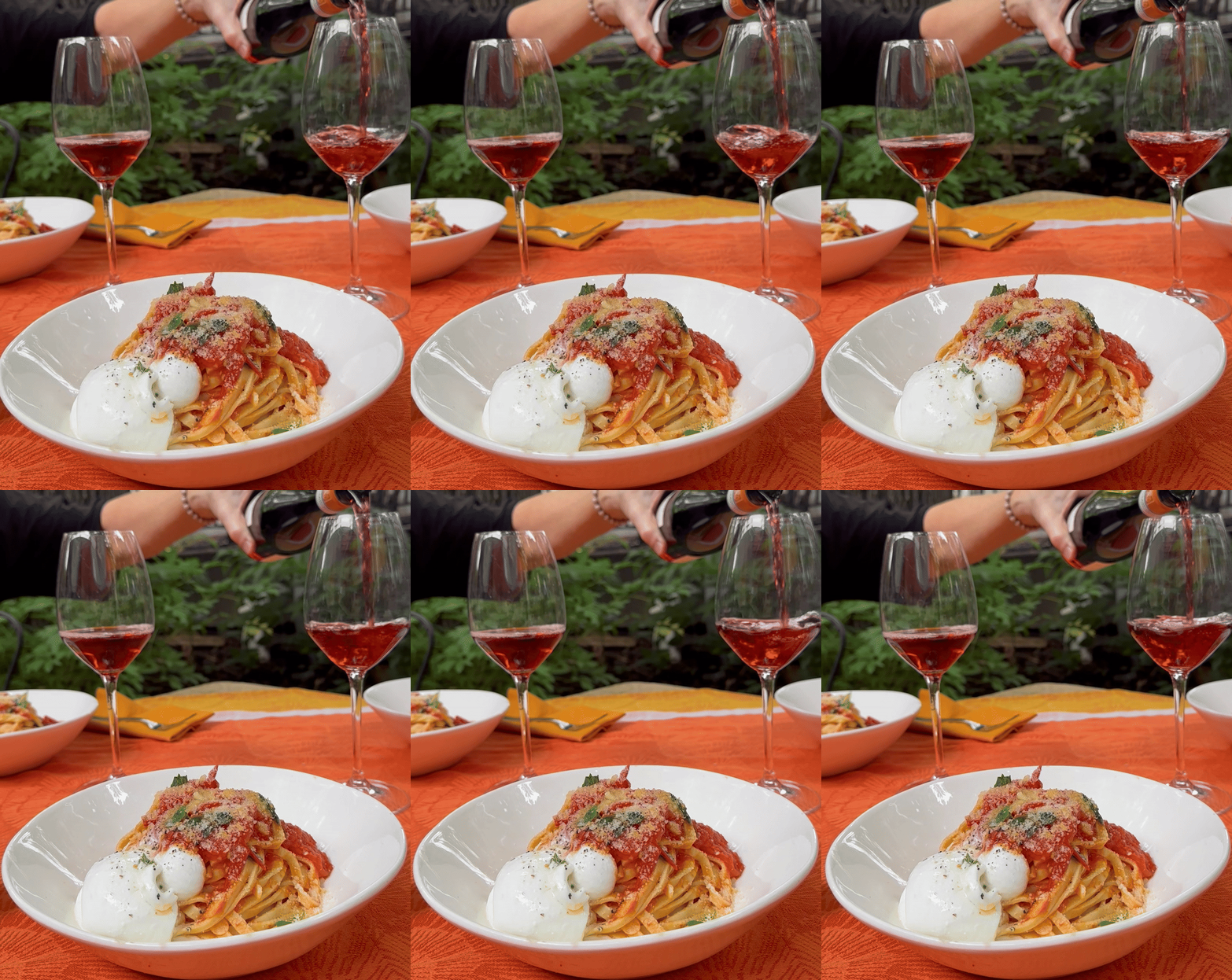
Summer Of Olive Oil: Guide to Tasting, Selecting & Pairing EVOO
This summer, we’re celebrating one of the most essential ingredients in Italian cooking - and one of our personal favorites - extra virgin olive oil. But not all olive oils are created equal. Learning how to taste and understand olive oil not only deepens your appreciation but transforms the way you cook, eat, and entertain. Here’s how to dive in.
How to Taste Olive Oil?
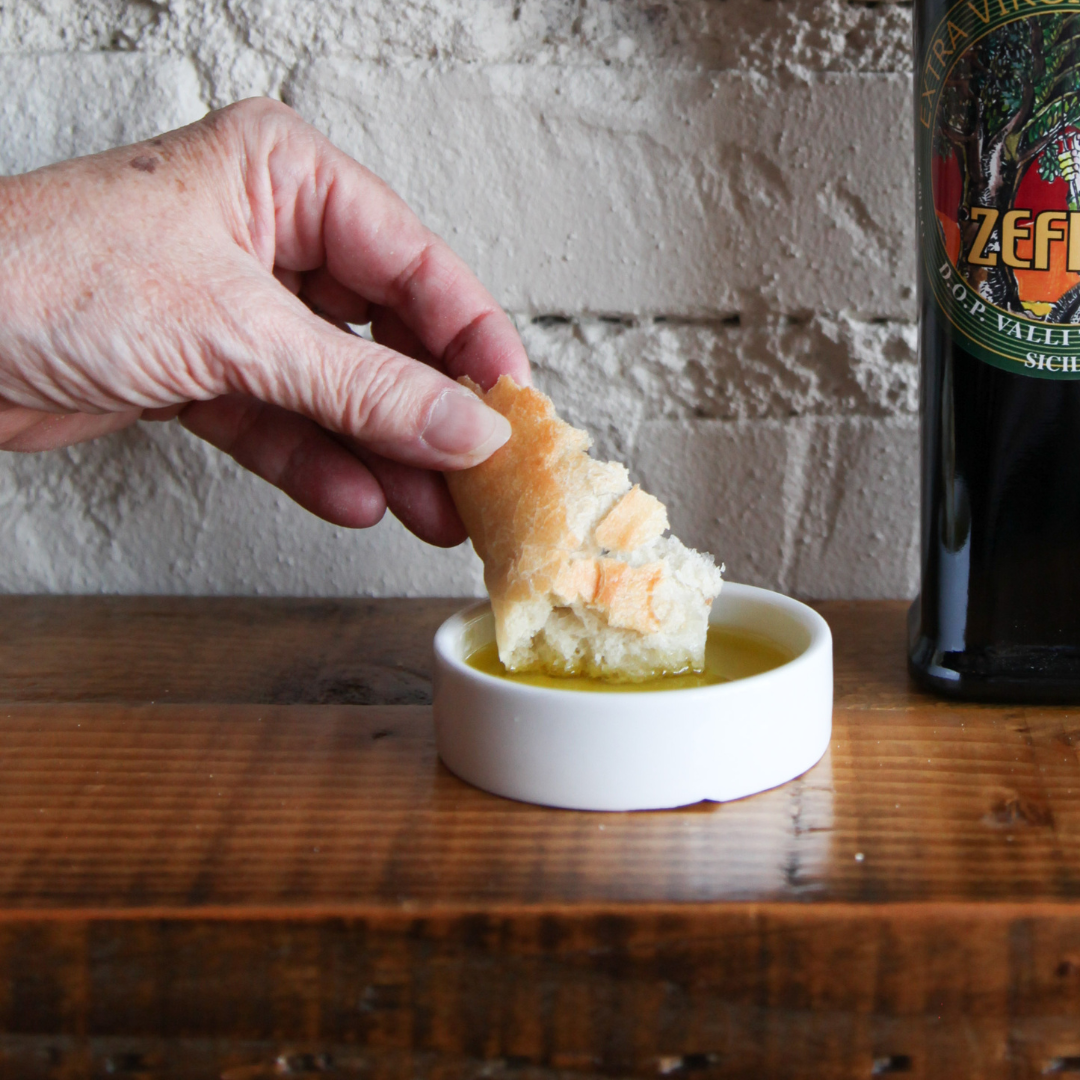
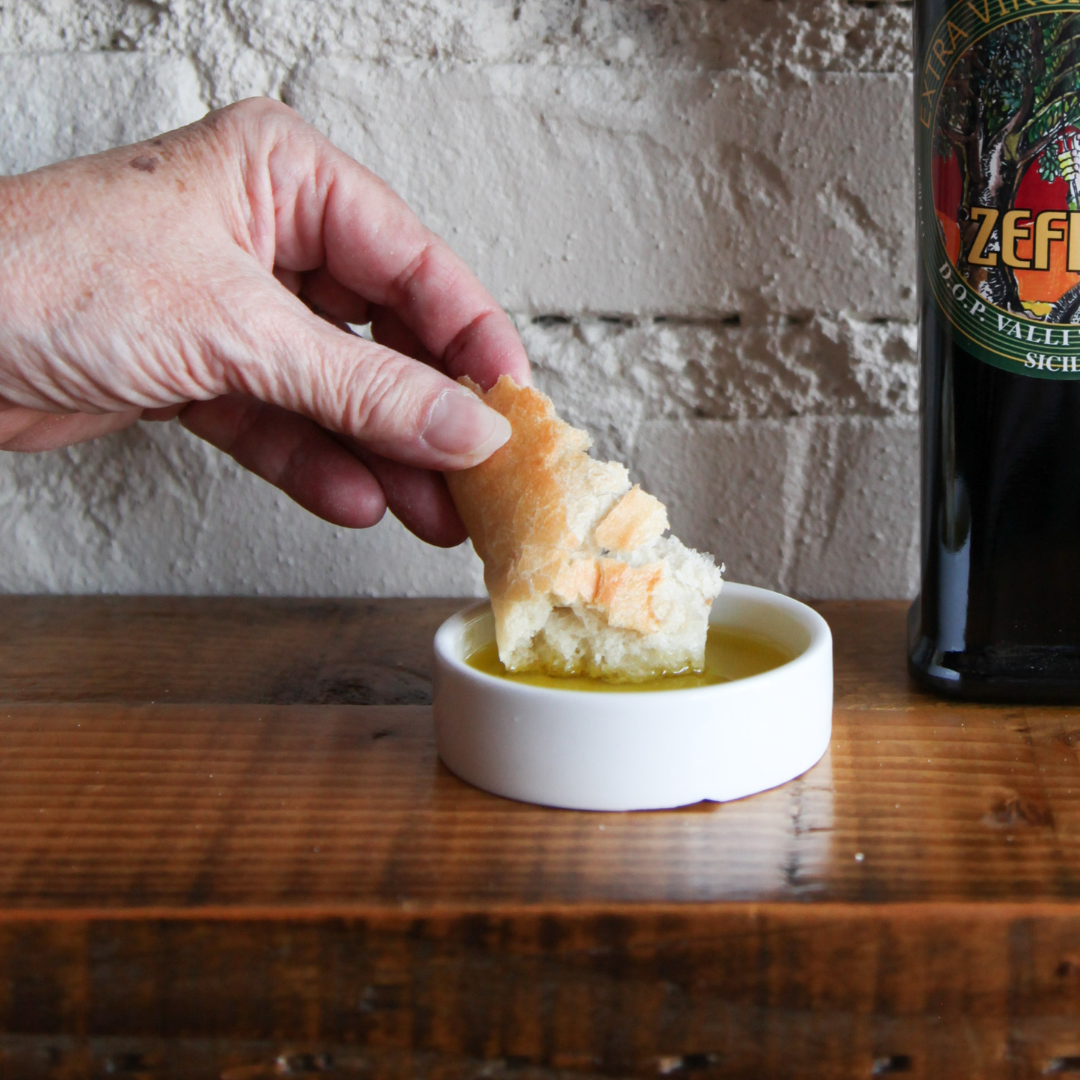
Tasting olive oil is about more than just flavor - it’s a full sensory experience. To truly understand an oil’s character, skip the bread and go straight to the source.
Taste from a spoon or small cup
Roll the oil around in your mouth to release its full flavor
Suck in air to break down the oils elements.
After you swallow, wait for the aftertaste - that lingering warmth or peppery kick.
Different regions yield different flavor profiles: a Tuscan oil might finish with a peppery heat in the throat, while a Ligurian oil might melt gently like butter.
What Makes a Quality Olive Oil?
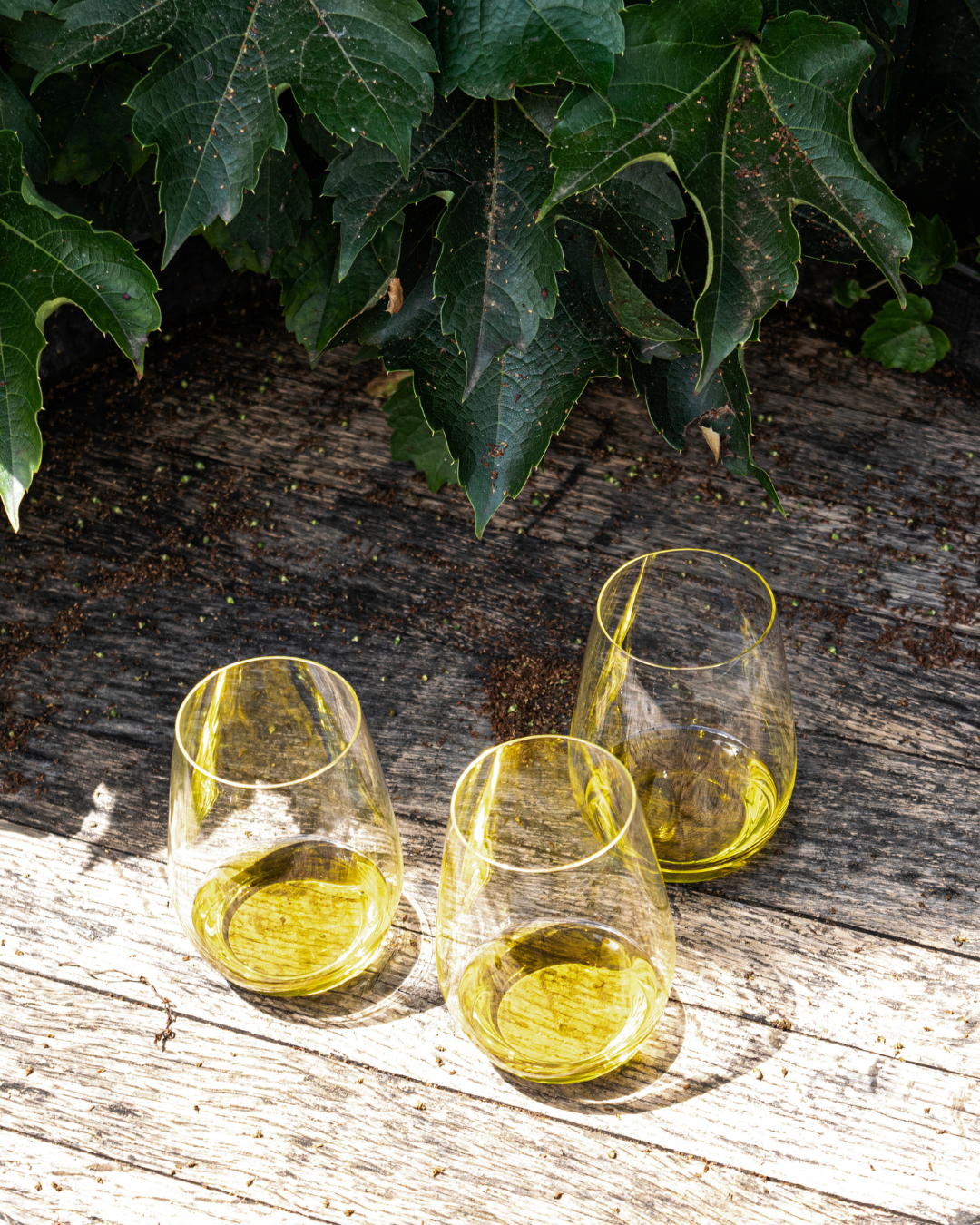
Creating great olive oil is a skill like winemaking - it depends on the soil, the climate, and the care of the producer. Small-batch, estate-grown oils often offer the best expressions of the fruit.
Here’s what to look for:
THE LABEL
Extra Virgin: The highest standard - cold-pressed, unrefined, and with less than 1% acidity.
Virgin, Fine Virgin, Semi-Fine Virgin: Higher acidity, sometimes still unrefines
Pure, Pomace, Olive Oil: These oils are chemically treated or heat-processed, skip them.
THE DETAILS
Acidity Level: Look for 1% or lower - lower acidity means more antioxidants and better flavor.
Harvest Date: Look for “raccolta,” “annata,” or “annata di produzione.” Avoid oils without a harvest or best-by date.
Varietal: If noted, this tells you which kind of olive was used. Single varietal oils offer clear, distinct flavor.
Location: The most reliable oils come from clearly marked regions - look for DOP, DOC or certified seas.
MYTH BUSTING:
“Light” olive oil isn’t lighter in calories - just stripped of color and flavor. Don’t waste your palate.
Understanding Flavor: Attributes to Savor (and Avoid)
✩Positive Attributes:
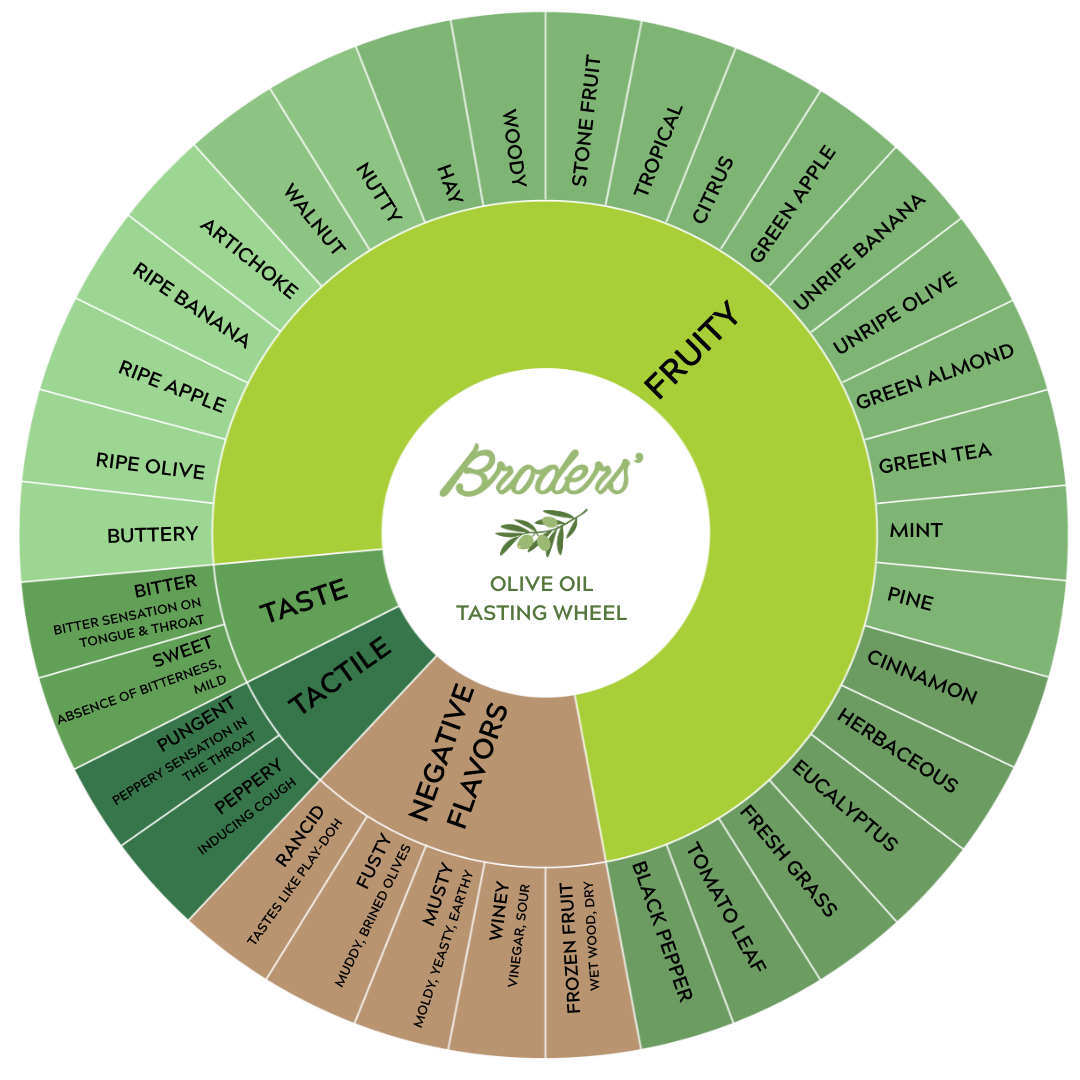
Fruity: Fresh, unspoiled olive fruit aromas.
Bitter: A sign of unripe (green) olives - important for balance.
Pungent: That peppery tickle in the back of your throat - freshness in action
Great oils may also reveal notes of:
green tomato, almond or floral tones, forest wood or herbal freshness
✗Negative Attributes:
Fusty, Musty, Muddy: Caused by poor storage or fermentation.
Winey: Tastes like wine or vinegar
Rancid: A common defect from light or air exposure.
Pairing Recommendations
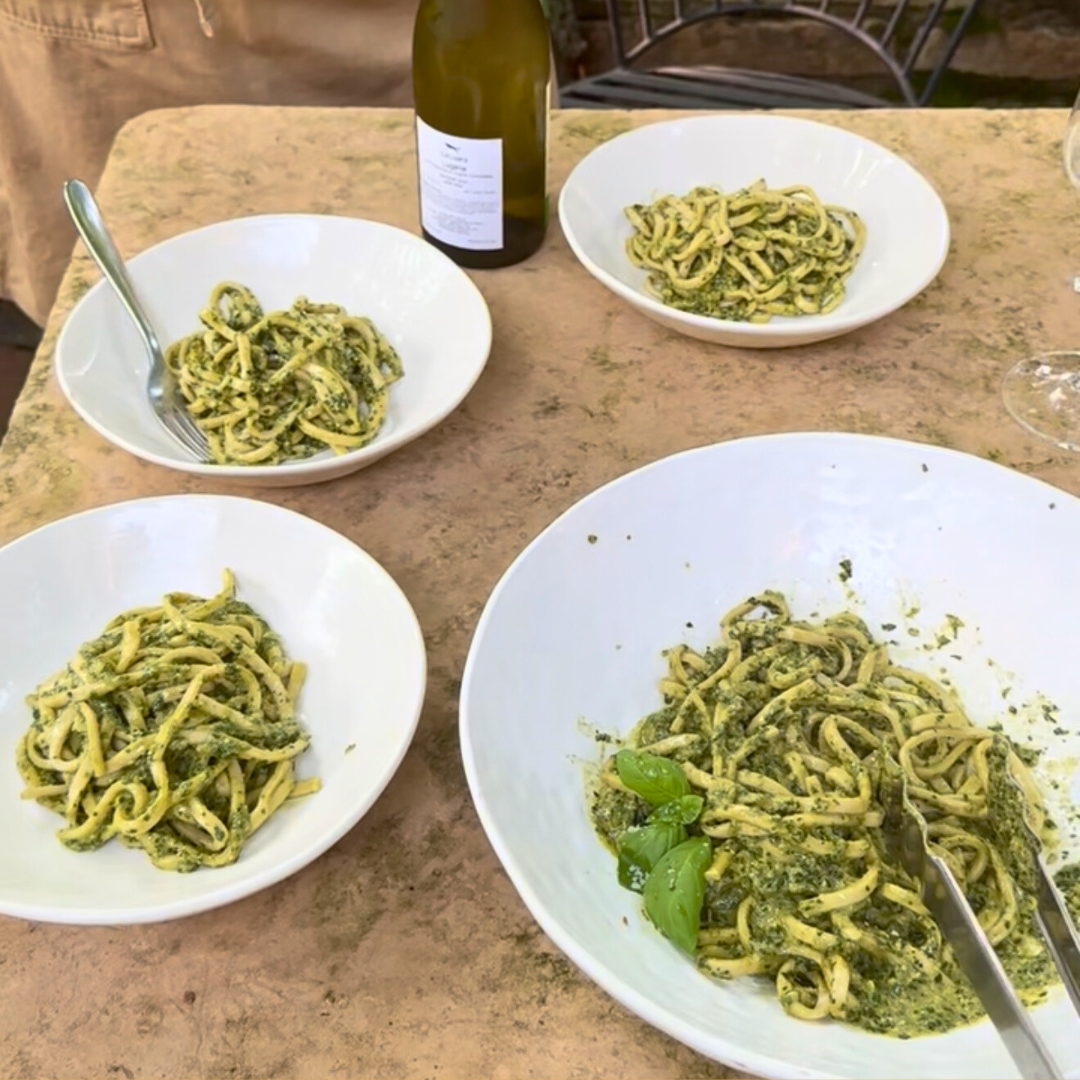
For buttery & gently fruit oils - use in basil pestos, and any dish where herbs and cheese dominate, as well as most green salads.
For fruity, full-flavored oils with some pepper - use in seafood dishes and nut pesto, and for drizzling over cheeses, potatoes, bread & vegetables.
For robust, peppery and aggressive oils - use for minestrone, bean soups, robust pastas and salads, bruschetta, or with cooked dried beans, potato salads and grilled meat and fish.
The best meals start with the best ingredients - just a little knowledge goes a long way! Find your next favorite EVOO at Broders’ Cucina Italiana!
MORE FROM THE SUMMER OF OLIVE OIL